
 +91-9210-914-391
 WhatsApp

 Book Appointment
Contact Lens Clinic in Delhi: Expert Fitting for Every Lens Type
From everyday soft lenses to specialty designs for keratoconus and overnight myopia control, Save Sight Centre's Contact Lens Clinic fits every type of lens with precision — soft, RGP, toric, multifocal, colored, scleral, Rose-K, and Ortho-K. Our optometrists match the right lens to your exact eye shape, prescription, and lifestyle.
🔎 Quick Answer: Contact Lens Clinic in Delhi
Save Sight Centre's Contact Lens Clinic in Delhi fits the full range of contact lenses — soft lenses for everyday convenience, rigid gas permeable (RGP) lenses for sharper vision, toric lenses for astigmatism, multifocal lenses for presbyopia, colored lenses for cosmetic wear, and specialty lenses including scleral lenses, Rose-K lenses, and Ortho-K lenses for keratoconus and myopia control. Each fitting is guided by corneal topography, tear film assessment, and a detailed refraction test, ensuring the lens matches your eye's exact shape, not just your prescription.
What Do You Need to Know Before Getting Contact Lenses in Delhi?
Not every lens type suits every eye — corneal shape, tear film, and refractive error all determine what will fit and feel comfortable.
Save Sight Centre fits all 8 major lens categories, including specialty options like scleral, Rose-K, and Ortho-K for irregular corneas.
Rose-K lenses are a specialised RGP design engineered specifically for keratoconus and irregular corneas — different from standard RGP lenses.
Ortho-K lenses are worn overnight to temporarily reshape the cornea, giving clear daytime vision and helping control myopia progression in children.
Proper hygiene and care routine matter as much as the lens itself — improper handling is the leading cause of contact lens-related infections.
Not everyone is a good candidate for contact lenses — dry eyes or certain corneal conditions may make some lens types unsuitable.

What Are Contact Lenses and How Do They Work?
Contact lenses are thin, curved discs placed directly on the surface of the eye to correct vision or for cosmetic purposes. They correct myopia, hyperopia, astigmatism, and presbyopia by refocusing light precisely onto the retina — the same underlying principle as glasses, but positioned directly on the eye itself.
Because contact lenses move naturally with the eye, they offer a wider field of view than glasses and don't fog up, get splashed by rain, or sit awkwardly during sports and physical activity. This makes them a popular alternative for people who want the convenience of clear vision without frames.
Although contact lenses offer real advantages, not everyone is automatically a good candidate. Certain eye conditions or corneal shapes can make some lens types uncomfortable or unsuitable. Speaking with an eye care specialist is the only reliable way to find out which lens type — if any — is right for your eyes.
What Types of Contact Lenses Are Available at Save Sight Centre?
From everyday soft lenses to advanced specialty designs for irregular corneas, here is the complete range fitted at our Contact Lens Clinic:
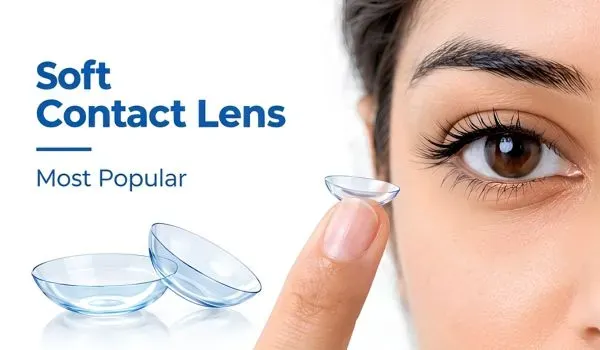
Soft Contact Lens
Flexible, water-containing lenses for comfortable everyday wear.
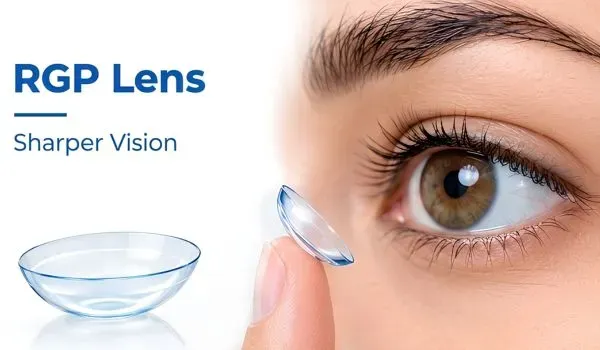
RGP Lens
Rigid gas-permeable lenses for astigmatism and higher prescriptions.
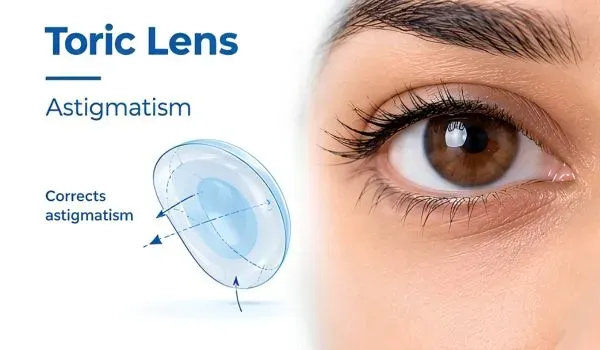
Toric Lens
Designed to correct blurred vision caused by astigmatism.
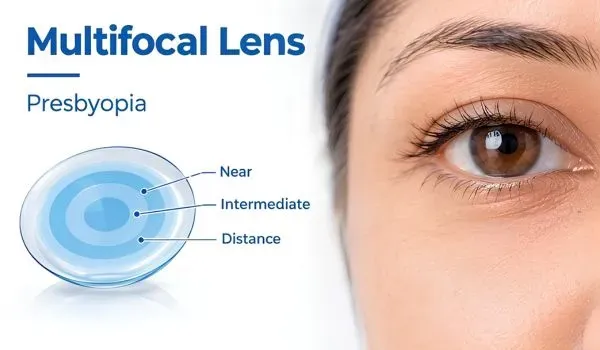
Multifocal Lens
Multiple focal zones for near and distance vision.
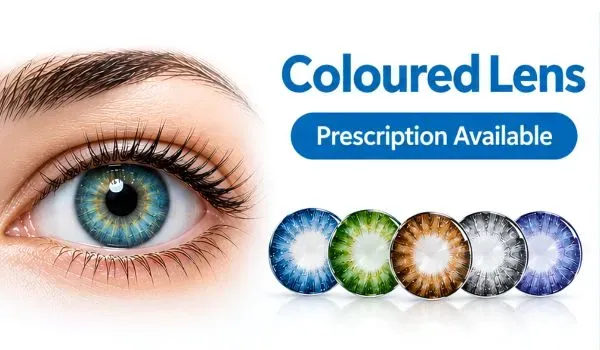
Coloured Lens
Cosmetic colour with prescription correction when clinically suitable.
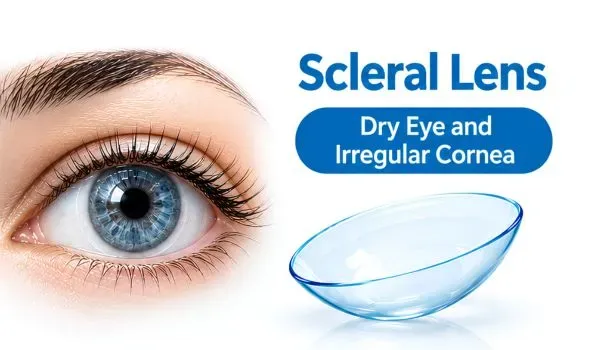
Scleral Lens
Vaults the cornea and creates a moisture reservoir for difficult fits.
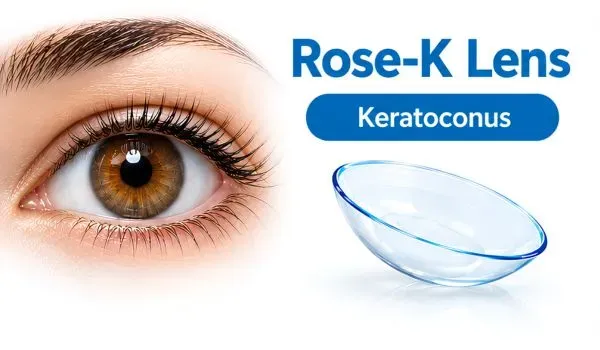
Rose-K Lens
Specialised RGP design for keratoconus and irregular corneas.
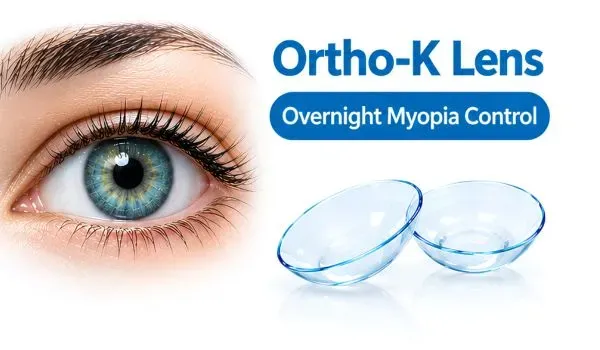
Ortho-K Lens
Worn overnight to temporarily reshape the cornea for daytime vision.
What Are Rose-K Lenses and Who Needs Them?
Rose-K is a globally recognized, specialized rigid gas permeable (RGP) lens design created specifically for keratoconus and other irregular corneal conditions — not a standard off-the-shelf RGP lens.
Why Rose-K is different from standard RGP
Keratoconus causes the cornea to become cone-shaped and irregular, which standard RGP lens designs don't centre or fit well on. Rose-K lenses use a specific back-surface geometry engineered to align with the irregular, steepened cornea typical of keratoconus, providing better centration, comfort, and visual clarity.
Who benefits most from Rose-K lenses
Rose-K lenses are most commonly recommended for patients with keratoconus, pellucid marginal degeneration, or other corneal irregularities where glasses or soft lenses can no longer provide clear vision, and where a scleral lens isn't the preferred option.
Fitting Rose-K lenses requires detailed corneal topography and an experienced fitter, since the design must be precisely matched to your cornea's unique shape for the best comfort and visual outcome.
What Tests Are Done Before Contact Lens Fitting?
A proper fitting goes well beyond your glasses prescription — it maps your eye's exact shape and health:
Refraction Test
Measures your exact spectacle and contact-lens prescription.
Corneal Topography
Maps the corneal shape for accurate standard and specialty fitting.
Keratometry
Measures central corneal curvature and helps select the base curve.
Tear Film Assessment
Checks moisture and tear quality for comfort and safe wear.
Slit-Lamp Examination
Checks the eyelids, cornea and ocular surface before fitting.
Trial Lens Fitting
Assesses centration, movement, vision and comfort before ordering.
How Is Contact Lens Clinic Performed Step by Step?
Standard Fitting — For most patients with routine refractive errors, this is a straightforward, same-visit process.
Eye Health Check
A comprehensive exam confirms your eyes are healthy and suitable for lens wear before proceeding.
Measurement and Lens Selection
Corneal curvature and refraction measurements guide the selection of an appropriate lens brand, material, and power.
Trial Wear and Training
You try the lenses in-clinic, and our team teaches you correct insertion, removal, and care before you leave.
Specialty Scleral/Rose-K/Ortho-K — Specialty Fitting— Scleral, Rose-K, and Ortho-K lenses require more detailed mapping and often multiple visits to perfect the fit.
Detailed Corneal Mapping
Corneal topography creates a precise map of your unique corneal shape, which is essential for these custom-designed lenses.
Trial Lens Assessment
Trial lenses are placed and evaluated for centration, movement, and comfort, often requiring adjustment before the final design is ordered.
Follow-Up Fine-Tuning
Specialty lenses often need one or more follow-up visits to fine-tune the fit once your custom lenses arrive, ensuring optimal comfort and vision.
How Should You Use Makeup Safely With Contact Lenses?
Wearing makeup with contact lenses is safe with a few simple precautions:
Order matters
Always put your lenses in first, before applying any makeup, and remove your lenses before cleaning off makeup at the end of the day.
Product choices matter
Use water-based mascara, replace mascara and eyeliner every three months, avoid frosted or glittery eyeshadows, and use a water- or alcohol-based makeup remover rather than a cream or oil-based one.
Never apply makeup if your eyes are red, swollen, or infected, never share makeup with anyone, and replace all eye cosmetics every six months to reduce infection risk.
What Should You Never Do With Contact Lenses?
Consult your contact lens specialist right away for unexplained redness, persistent pain, discomfort, change in vision, excessive tearing, light sensitivity, or unusual eye secretions — never continue wearing a lens if your eye is uncomfortable or unusually red.
Rinse With Tap Water
Never rinse lenses with tap water — always use the recommended contact lens solution to avoid infection risk
Sleep in Lenses (Unless Advised)
Never sleep with lenses on unless your specific lens type and doctor's instructions say it's safe to do so.
Swim With Lenses In
Remove lenses before swimming to avoid waterborne infections and lens displacement.
Wet Lenses With Saliva
Never place a lens in your mouth or use saliva to wet it — this introduces harmful bacteria directly onto the lens.
Mix Up Left and Right
Always handle the same eye's lens first and confirm it's in place before touching the other, to avoid interchanging them.
Which Contact Lens Is Right for Your Eye Condition?
Here's a quick guide to which lens category typically suits which need — your fitting evaluation will confirm the exact recommendation for your eyes:
| Your Need | Recommended Lens Type | Available with us |
|---|---|---|
| Everyday convenience, active lifestyle | Soft Contact Lens | Yes |
| Sharpest possible vision, higher refractive error | RGP Lens | Yes |
| Astigmatism correction | Toric Contact Lens | Yes |
| Presbyopia (over 40, reading vision) | Multifocal Contact Lens | Yes |
| Cosmetic eye colour change | Colored Contact Lens | Yes |
| Keratoconus, severe astigmatism, dry eyes | Scleral Lens | Yes |
| Keratoconus needing a smaller, RGP-style fit | Rose-K Lens | Yes |
| Myopia control in children, glasses-free days | Ortho-K Lens | Yes |
Everyday convenience, active lifestyle
Sharpest possible vision, higher refractive error
Astigmatism correction
Presbyopia (over 40, reading vision)
Cosmetic eye colour change
Keratoconus, severe astigmatism, dry eyes
Keratoconus needing a smaller, RGP-style fit
Myopia control in children, glasses-free days
Who Fits Your Contact Lenses at Save Sight Centre?
Contact lens fitting, especially for specialty lenses, requires dedicated training and experience beyond a routine eye test:
Trained specifically in contact lens fitting, from routine soft and RGP lenses to advanced specialty designs like scleral and Rose-K.
Skilled in corneal topography and keratometry, essential for accurately fitting irregular corneas and specialty lens designs.
Our eye specialists are available for complex cases, such as keratoconus management or post-surgical lens fitting.
What Are the Risks of Improper Contact Lens Use?
Contact lenses are very safe when fitted correctly and cared for properly, but improper use carries real risks:
Dryness & Discomfort
Especially with extended screen use or in dry environments, managed with lubricating drops and proper lens selection.
Eye Infections
Improper hygiene, using tap water, or wearing lenses longer than recommended significantly increases infection risk.
Corneal Abrasion
Rough handling or wearing a poorly fitted lens can scratch the cornea's surface, causing pain and light sensitivity.
Corneal Ulcer
A serious infection of the cornea, most strongly linked to sleeping in lenses not designed for overnight wear or poor hygiene — needs urgent treatment.
How Much Do Contact Lenses Cost in Delhi?
Cost varies significantly by lens category, brand, and whether a standard or specialty fitting is required:
| Lens Type / Service | Cost for Pair |
|---|---|
| Contact Lens Fitting Evaluation | Consultation charges apply |
| Soft Contact Lens | Starts at Rs. 800/- |
| RGP Lens | Starts at Rs. 5,000/- |
| Toric / Multifocal Lens | Starts at Rs. 1,900/- |
| Colored (Cosmetic) Lens | Starts at Rs. 400/- |
| Scleral Lens | Starts at Rs. 95,000/- |
| Rose-K Lens | Starts at Rs. 25,000/- |
| Ortho-K Lens | Starts at Rs. 50,000/- |
How Much Do Contact Lenses Cost in Delhi?
*Pricing depends on lens brand, replacement schedule, and whether a standard or specialty fitting is needed. Consultation and diagnostic test charges apply separately. Confirmed pricing is shared after your evaluation. No-cost EMI is available.
Who Fits Your Contact Lenses at Save Sight Centre?
Contact lens fitting, especially for specialty lenses, requires dedicated training and experience beyond a routine eye test:
Specialist Optometrists
Our optometrists perform detailed fitting, trial assessment, handling training and follow-up fine-tuning for standard and specialty lenses.
Consulting Ophthalmologists
Consulting ophthalmologists assess ocular health and help manage complex corneal or ocular-surface requirements.
Frequently Asked Questions About Contact Lenses in Delhi
The best lens depends on your prescription, corneal shape, tear film and lifestyle. A comprehensive fitting evaluation determines the right choice.
Most contact lenses should not be slept in unless specifically designed for overnight wear, like Ortho-K, or advised by your doctor.
Soft lenses are flexible and comfortable quickly, while RGP lenses offer sharper vision for astigmatism and higher prescriptions.
Rose-K lenses are specialised RGP lenses for keratoconus and irregular corneas where glasses or soft lenses no longer provide clear vision.
Ortho-K lenses are worn overnight for daytime vision and myopia control. Rose-K lenses are worn during the day for irregular corneas.
Yes, scleral and Rose-K lenses are designed to improve vision affected by keratoconus.
Follow the schedule for your lens type: daily, bi-weekly, monthly or as prescribed by your eye doctor.
Yes, prescription coloured lenses can correct refractive error when properly fitted and cared for.
Most patients find correctly fitted scleral lenses comfortable because they vault the cornea and hold a moisture reservoir.
Redness, pain, vision change, excessive tearing, light sensitivity or unusual discharge require prompt medical review.
Remove lenses before swimming because water can carry microorganisms and dislodge lenses.
Adaptation often takes several days to a couple of weeks as the eyes adjust to a rigid lens.
Yes, including Ortho-K for myopia control, when the child can manage hygiene responsibly.
Yes. Fitting includes corneal topography, keratometry, tear-film assessment and trial-lens evaluation.
Specialty lens pricing depends on corneal measurements and the custom fitting process; the exact cost is confirmed after evaluation.
Find Your Perfect Contact Lens Fit
Book your consultation at Save Sight Centre, Delhi. Our expert team will help you understand your condition, recommend the right treatment and guide you through every step.