
 +91-9210-914-391
 WhatsApp

 Book Appointment
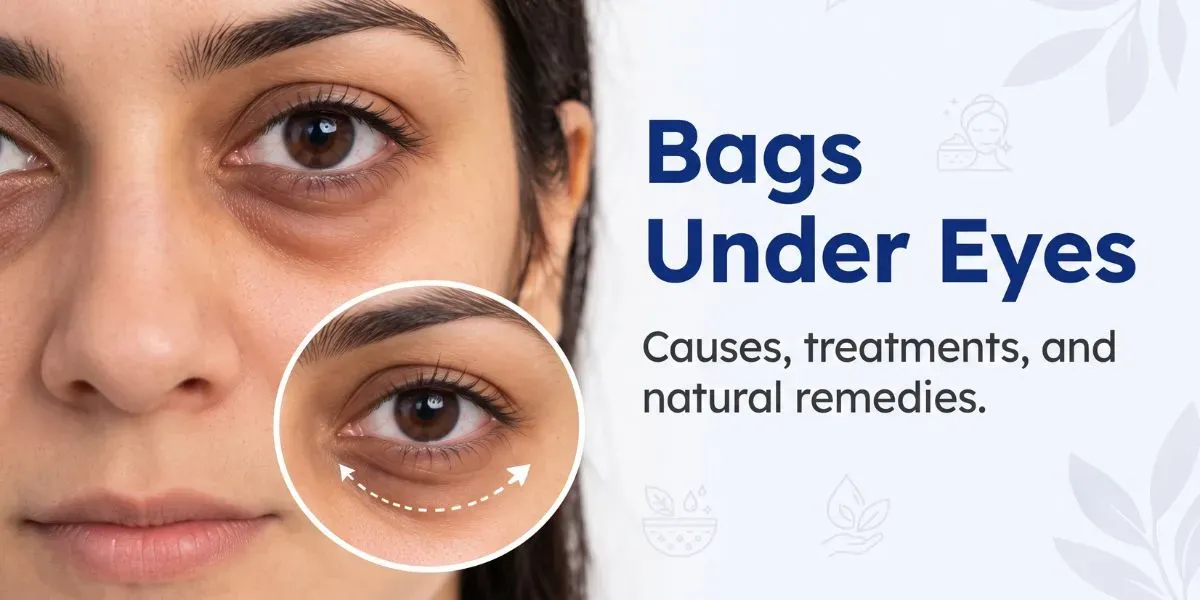
Bags Under Eyes: Causes, Symptoms, Treatment & Prevention Tips
A bad night's sleep, a salty dinner, allergy season, or just getting older — bags under the eyes have plenty of everyday explanations, and most of them are completely harmless. Here's what actually causes that puffy look, what genuinely helps, and the rare cases where it's worth getting checked.

Quick Answer
Bags under eyes are mild swelling or puffiness beneath the lower eyelids, caused when the tissues and muscles supporting your eyelids weaken and fat shifts downward, or when fluid builds up in the area. Common triggers include aging, lack of sleep, high salt intake, allergies, genetics, and lifestyle habits like smoking. They're almost always a cosmetic concern rather than a medical one. Home remedies like cold compresses and better sleep help mild cases; persistent or prominent bags often need skincare ingredients like caffeine and retinol, or medical treatments like fillers, laser resurfacing, or eyelid surgery (blepharoplasty) for a longer-lasting result.
Key Takeaways
- Bags under eyes happen when weakened tissue lets fat shift downward, or when fluid collects in the thin under-eye skin.
- Aging, poor sleep, high salt intake, allergies, genetics, and smoking are the most common causes.
- Bags and dark circles are related but different — bags are puffiness, dark circles are discoloration.
- Most bags are harmless and respond well to simple habits: better sleep, less salt, and cold compresses.
- Persistent, one-sided, painful, or sudden swelling — especially with vision changes or a rash — needs a proper eye exam.
- For longer-lasting results, options range from caffeine and retinol eye creams to fillers, laser resurfacing, or eyelid surgery.
Figures are general clinical guidance and can vary from person to person.
What Exactly Are Bags Under Eyes?
Bags under eyes are mild swelling or puffiness that appear beneath the lower eyelids. The skin here is some of the thinnest and most delicate on your entire body, so it shows changes faster than anywhere else on your face. Over time, the tissues and muscles that support your eyelids weaken, allowing the fat that normally cushions your eye to shift downward into the lower lid. Fluid can also collect in this area, which is why puffiness is often more noticeable first thing in the morning.
| Structure | What It Does |
|---|---|
| Skin | Very thin and sensitive; shows swelling and sagging early |
| Fat pads | Cushion the eye; shift downward with weakened support |
| Muscles | Support eyelid movement and structure |
| Blood vessels | Supply oxygen and nutrients to the area |
| Lymphatic drainage | Clears excess fluid; slows with poor circulation |
What Are the Symptoms of Bags Under Eyes?
These symptoms usually build up gradually over months or years, though they can also appear suddenly overnight after a poor night's sleep, a salty meal, or crying. They tend to fluctuate — often more noticeable first thing in the morning and settling somewhat through the day.
Are Bags Under Eyes the Same as Dark Circles?
Not quite, though the two are often confused and frequently appear together. Bags are puffiness — a raised, three-dimensional swelling caused by fluid or shifted fat. Dark circles are flat discoloration, usually caused by thin skin revealing the blood vessels underneath, or by pigmentation. Because they have different causes, they don't always respond to the same treatment — a caffeine eye cream that reduces puffiness, for instance, won't necessarily fade pigmentation-related dark circles.
What Causes Bags Under Eyes?
Understanding the root cause helps you pick the right fix. Here are the most common reasons bags develop:
Aging and Skin Weakness
The most common cause. Collagen decreases, skin loses elasticity, fat shifts downward, and muscles weaken — together leading to sagging skin and visible bags.
Fluid Retention
High salt intake, hormonal changes, sleeping flat without head elevation, and weather changes all cause fluid to accumulate, usually worse in the morning and improving during the day.
Lack of Sleep
Sleep deprivation affects circulation and fluid balance, dilating blood vessels and allowing fluid to collect — resulting in puffy eyelids, dark circles, and a tired look.
Allergies and Sinus Problems
Allergic reactions release histamines that expand blood vessels and cause fluid to build up under the eyes, often with itching, redness, and watering.
Genetics
Eye bags can run in families, influencing fat distribution, skin thickness, and elasticity — which is why some people develop them much earlier than others.
Poor Lifestyle Habits
Smoking, alcohol, chronic stress, and a poor diet all accelerate aging and weaken the tissue that supports the eye area.
Eye Strain and Screen Use
Long hours on phones, laptops, or TVs reduce blinking and strain the eyes, contributing to fatigue, fluid imbalance, and puffiness.
Dehydration
When your body lacks water, it tends to retain fluid in certain areas — including under the eyes — making puffiness more visible.
Underlying Medical Conditions
Less commonly, persistent bags can be linked to thyroid eye disease, dermatitis, dermatomyositis, kidney-related fluid retention, or chronic sinus infections — worth a medical evaluation if swelling is severe or won't settle.
Match Your Pattern to the Likely Cause
| Pattern You Notice | Likely Cause | Simple Next Step |
|---|---|---|
| Worse in the morning or after salty food | Fluid retention | Reduce salt, elevate your head while sleeping |
| Itching, watering, redness, rubbing | Allergy or irritation | Avoid triggers, consider antihistamines |
| Gradual fullness under both eyes over years | Aging or genetics | Skincare or discuss options if bothersome |
| Sudden puffiness after poor sleep | Sleep deprivation | Prioritise 7-9 hours, sleep elevated |
When Should You See a Doctor About Bags Under Eyes?
Most bags are harmless and don't need medical care. Get it evaluated if you notice:
- Vision changes alongside the swelling
- Sudden onset or swelling that appears out of nowhere
- One eye only — bilateral bags are far more typical of normal causes
- Pain, redness, or itching that doesn't settle
- A rash or skin changes accompanying the puffiness
- Persistent or worsening swelling that doesn't improve with home care
Your doctor may want to rule out thyroid disease, infection, connective tissue disease, or allergy as an underlying cause, and can refer you to an ophthalmologist, oculoplastic surgeon, or dermatologist as needed.
What Are the Treatment Options for Bags Under Eyes?
Treatment ranges from simple home care to medical procedures, depending on how prominent and persistent the bags are.
Cold compress
Wrap ice or a cold, damp cloth and hold gently under the eyes for 5-10 minutes while sitting upright — cold temperatures shrink blood vessels and reduce swelling quickly.
Chilled tea bags
The caffeine can help improve local circulation and mildly reduce puffiness.
Cucumber slices
Hydrate and soothe irritated under-eye skin, offering a gentle cooling effect.
Elevated sleeping position
Sleeping with your head slightly raised prevents fluid from settling around your eyes overnight.
Targeted skincare
Look for retinol (boosts collagen), hyaluronic acid (hydrates), vitamin C (brightens), and caffeine (reduces puffiness) — used consistently over weeks, not overnight.
For more persistent or prominent bags, medical treatments include:
Dermal fillers smooth hollow areas using hyaluronic acid; laser resurfacing and chemical peels tighten skin and improve texture by stimulating collagen; blepharoplasty surgically removes excess fat and skin for a longer-lasting result and is generally reserved for more advanced or bothersome cases.
Good to know: Eyelid surgery is effective but, like any surgery, carries possible side effects — temporary dry eyes, watery eyes, pain, swelling, bruising, and blurred vision during recovery. Discuss the full risk profile with your surgeon before deciding.
How Can You Prevent Bags Under Eyes?
Prevention is often easier than treatment. A few consistent habits make a real difference:
- Sleep well: Aim for 7-8 hours, use an extra pillow to elevate your head, and keep a consistent schedule
- Watch your diet: Favour leafy greens, citrus fruits, nuts, and omega-3 rich fish; go easy on salt
- Build a skincare routine: Gentle cleansing, eye cream, sunscreen, and hydration — UV exposure accelerates skin aging
- Manage stress and screens: Regular screen breaks, eye exercises, and relaxation techniques improve circulation
- Stay hydrated and active: Drink 8-10 glasses of water daily and exercise regularly to support lymphatic drainage and circulation
Dr. Rajeev JainDirector · Retina, Cataract, LASIK & Uvea Specialist
"At Save Sight Centre, we never treat under-eye bags as 'just cosmetic' without first checking. Most of the time it genuinely is ageing or lifestyle — but a proper eyelid exam lets us rule out infections, allergies, dry eye, or an underlying health issue before recommending anything. That one extra step gives our patients real confidence in whatever treatment path they choose."
Frequently Asked Questions About Bags Under Eyes
Not always. Temporary bags caused by lack of sleep, salty food, or fluid retention usually settle within a day. Age-related bags, caused by weakened tissue and shifted fat pads, tend to be more persistent and may need skincare or medical treatment to visibly improve.
They're related but not the same thing. Bags under eyes are puffiness or swelling caused by fluid or shifted fat, giving the area a raised, three-dimensional look. Dark circles are flat discoloration caused by thin skin, visible blood vessels, or pigmentation. It's common to have both together, but they don't always respond to the same treatments.
Yes. Staying well hydrated helps your body maintain a healthy fluid balance rather than retaining water in areas like the under-eye region. It's a simple habit that works alongside — not instead of — reducing salt intake and getting enough sleep.
Eye creams with caffeine, retinol, or hyaluronic acid can genuinely improve skin texture and mildly reduce puffiness with regular use over weeks. They work best on mild, lifestyle-related bags — for more prominent or long-standing bags caused by shifted fat pads, skincare alone usually isn't enough.
Age-related bags typically become noticeable between 30 and 40, as collagen production naturally declines. That said, genetics can cause bags to appear much earlier, even in your teens or twenties, regardless of overall skin health.
Usually not — most bags are cosmetic and related to aging, sleep, or fluid retention. However, persistent swelling paired with redness, pain, itching, a rash, or vision changes should be checked, since it can occasionally point to allergies, thyroid eye disease, dermatitis, or kidney-related fluid retention.
A cold compress held gently over closed eyes for 5-10 minutes gives the quickest visible reduction by constricting blood vessels and easing fluid buildup. Caffeine-based eye creams and sleeping with your head slightly elevated the night before also help for a quick, temporary improvement.
Yes. A high-salt diet makes your body retain more fluid, which shows up as puffiness, especially under the eyes where the skin is thinnest. Cutting back on salty foods and staying hydrated are two of the simplest dietary changes that make a visible difference.
There's no single deficiency that directly causes eye bags, though poor overall nutrition, dehydration, and low vitamin K or vitamin C levels are sometimes associated with a more tired, puffy appearance. Eye bags are driven much more by aging, genetics, sleep, and fluid balance than by any one specific nutrient.
Indirectly, yes. Contact lenses can trap small particles or lead to mild irritation and inflammation if not cleaned or worn properly, which can make the eye area look puffier. Good lens hygiene and not over-wearing lenses helps prevent this.
Yes, as with any surgery. Blepharoplasty can cause temporary dry eyes, watery eyes, swelling, bruising, and blurred vision during recovery, and your surgeon will walk you through these before the procedure. Results are generally long-lasting, but it's worth discussing the full risk profile with your specialist first.
Bags Under Eyes Bothering You More Than They Should?
Get a proper eyelid evaluation and a personalised treatment plan at Save Sight Centre, Adarsh Nagar, North Delhi. NABH & ISO accredited · 15+ years · 1,70,000+ patients treated.
Disclaimer: For general awareness only, not medical advice. Please consult an eye specialist at Save Sight Centre to determine the best treatment for your eyes. Results vary by person. Figures cited are approximate and based on general clinical patterns.